How Is Biltong Made? A Step-by-Step Look at Traditional Air-Drying
There’s something almost magical about biltong. You start with a raw strip of beef. You add vinegar, salt, and a handful of spices. You hang it in the air and walk away. A few days later, you come back to one of the most flavourful, protein-dense snacks on the planet. No oven. No smoker. No dehydrator. Just time, airflow, and a recipe that hasn’t fundamentally changed in over 400 years.
If you’ve ever wondered how biltong is made, you’re not alone — it’s one of the most commonly searched questions about this South African snack, and for good reason. The process is what sets biltong apart from every other dried-meat product on the market. It’s the reason biltong tastes different from beef jerky, the reason it has a different texture, and the reason it delivers a different nutritional profile.
In this guide, we’ll walk you through the entire biltong-making process from start to finish: which cuts of beef work best, how the meat is seasoned and cured, what actually happens during air-drying, why the cold-drying method matters so much, and how Billy Tong ensures every batch meets the highest standards. By the end, you’ll understand exactly what goes into the biltong you eat — and why it’s worth every penny.
The Basics: What Is the Biltong Process?
At its simplest, biltong is made by curing strips of beef in vinegar and spices, then hanging them in cool, circulating air until they reach the desired dryness. That’s the entire concept. No heat, no smoke, no complex machinery — just a few quality ingredients and the patience to let nature do its work.
The process can be broken down into five key stages: selecting the meat, slicing, marinating and seasoning, air-drying, and slicing and packing. Each stage plays a critical role in the final flavour, texture, and quality of the biltong. Let’s take them one by one.
Step 1: Selecting the Meat
Great biltong starts with great beef. The cut of meat you use has a direct and significant impact on the tenderness, flavour, and fat content of the finished product. Not every cut works well for biltong — the best options strike a balance between lean muscle, a modest amount of intramuscular fat (for flavour and moisture), and a consistent grain that dries evenly.
The Best Cuts for Biltong
|
Cut
|
Why It Works
|
|
Silverside
|
The most popular cut for biltong. Lean, consistent grain, produces tender results with a clean beef flavour. This is what most premium biltong — including Billy Tong’s — is made from.
|
|
Topside
|
Another excellent choice. Slightly leaner than silverside with a fine grain. Dries evenly and delivers a concentrated, beefy taste.
|
|
Eye of round
|
Very lean with minimal fat marbling. Produces firm, dry-style biltong with an intense flavour. Popular with those who prefer a chewier texture.
|
|
Rump
|
Has more fat marbling than silverside, which adds richness and moisture. Some producers use it for a more indulgent, fattier biltong. Requires careful trimming.
|
At Billy Tong, we primarily use silverside and topside — premium cuts that consistently deliver the tender, flavourful biltong our customers expect. The quality of the raw beef is non-negotiable: if you start with inferior meat, no amount of seasoning or technique will save the end product.
Does the Beef Need to Be Fresh?
Yes. Biltong should always be made from fresh, high-quality beef — never from pre-frozen or previously processed meat. Fresh beef has a better moisture content, a cleaner flavour, and takes the vinegar cure more evenly. This is one of the key differences between artisan producers like Billy Tong and mass-market brands that prioritise cost over quality.
Step 2: Slicing the Meat
Once the beef has been selected and trimmed of any unwanted sinew or excess fat, it’s sliced into thick strips. This step is more important than it might seem — the thickness and direction of the cut directly determine the final texture and drying time of the biltong.
Cutting with the Grain
Traditional biltong is cut along the grain of the muscle, not against it. This is the opposite of what you’d do when slicing a steak for the plate (where you cut against the grain to shorten the fibres and make the meat more tender to chew). With biltong, cutting along the grain creates long, satisfying strips that hold together during the drying process and produce that classic pull-apart texture when you eat them.
Thickness Matters
The thickness of each strip is what determines whether the finished biltong will be “wet” (soft, moist, and tender), “medium” (slightly firm with a moist centre), or “dry” (firm, chewy, and intensely flavoured). Thicker cuts retain more moisture during drying, producing softer biltong. Thinner cuts dry out more completely, resulting in a firmer, crunchier texture.
Most quality producers cut strips between 2 and 4 centimetres thick, but the exact measurement varies depending on the desired end result and the specific cut of beef being used.
Step 3: Marinating and Seasoning
This is where biltong gets its distinctive flavour — and where it parts company with beef jerky most dramatically. While jerky relies on heavy, sugar-laden marinades and often a long list of artificial additives, biltong uses a remarkably simple combination of natural ingredients.
The Vinegar Cure
The first stage of seasoning is the vinegar bath. Strips of beef are soaked or generously coated in vinegar — traditionally malt vinegar or cider vinegar, though some producers use grape or brown vinegar. The vinegar serves several crucial purposes:
Preservation. Vinegar is a natural antimicrobial. It lowers the pH of the meat’s surface, creating an environment that inhibits the growth of harmful bacteria. This is one of the oldest and most effective food preservation techniques known to humanity.
Flavour. The vinegar gives biltong its signature subtle tang — a gentle acidity that balances the saltiness and enriches the overall savoury depth. It’s one of the hallmarks that makes biltong taste unmistakably like biltong.
Texture. The acid in vinegar begins to break down the surface proteins of the meat, helping to tenderise it slightly and ensuring the spice crust adheres properly during the next stage.
The Spice Blend
After the vinegar cure, the strips are generously coated in a dry spice mix. The traditional biltong spice blend is remarkably simple:
Coarse salt — Draws moisture from the meat, further aiding preservation and concentrating flavour. Coarse salt is preferred over fine salt because it distributes more evenly and doesn’t over-salt the surface.
Cracked black pepper — Adds warmth and a gentle heat that complements the beef’s natural savouriness.
Ground coriander — This is the signature biltong spice. Toasted and ground coriander seeds provide a warm, slightly citrusy, almost floral note that’s unique to biltong. It’s the flavour that surprises first-timers and keeps fans coming back.
Some recipes add small amounts of brown sugar (for a hint of sweetness and to encourage a slight crust), Worcestershire sauce, or chilli flakes. Flavoured varieties might include garlic, peri-peri, or other spices. But the core of the blend — salt, pepper, coriander — has remained essentially unchanged for centuries.
At Billy Tong, our spice blend follows the traditional South African recipe. We don’t use artificial flavourings, excess sugar, or preservatives. What you taste is beef, vinegar, and honest spice — nothing more.
Step 4: Air-Drying — The Heart of the Process
This is the stage that defines biltong and sets it apart from every other dried-meat product on the market. Air-drying is the heart of the biltong-making process, and it’s the reason biltong tastes, feels, and nourishes differently from beef jerky.
How Air-Drying Works
The seasoned strips of beef are hung on hooks, rods, or wire racks in a well-ventilated drying room. Cool, dry air circulates around each strip, gradually drawing moisture out of the meat over a period of three to seven days — sometimes longer for very thick cuts or very dry styles.
There is no heat applied at any point. No oven, no smoker, no electric dehydrator. The drying is done entirely by airflow at ambient or slightly cool temperatures. This is what’s known as a “cold-drying” or “cold-curing” process, and it’s fundamentally different from the heat-drying used to make beef jerky.
Why Cold-Drying Matters
The choice to air-dry rather than heat-dry isn’t just a tradition for tradition’s sake. It has real, measurable effects on the final product:
Better nutrient retention. Heat degrades certain vitamins and minerals, particularly B-vitamins and some amino acids. By never exposing the meat to high temperatures, biltong’s cold-drying process preserves more of the beef’s natural nutritional content. This is one reason biltong tends to be higher in protein per 100 g than jerky.
Superior texture. Heat-drying cooks the proteins in the meat, making them contract and toughen. That’s why jerky is characteristically tough and chewy. Cold-drying, by contrast, preserves the soft, tender structure of the muscle fibres. The result is biltong that can range from melt-in-the-mouth soft (wet styles) to pleasantly firm (dry styles) — but never leathery or tough.
Deeper, more complex flavour. Slow, cold drying allows the flavours of the vinegar cure and spice crust to develop gradually and penetrate deep into the meat. Heat-drying tends to seal the surface quickly, trapping moisture inside and preventing the seasoning from integrating fully. Biltong’s long, patient drying results in a richer, more layered flavour.
No need for additives. The combination of vinegar-curing, salt, and slow moisture removal creates an environment where harmful bacteria cannot thrive. This means biltong doesn’t need the chemical preservatives, nitrates, or artificial additives that many commercial jerkies rely on to extend shelf life.
Controlling the Environment
While the basic principle of air-drying is simple, getting it right consistently requires careful control of the drying environment. Three factors matter most:
Temperature. The drying room should be cool — not cold enough to halt the drying process, but not warm enough to encourage bacterial growth or cook the meat. Most producers aim for a range that allows steady, even moisture loss.
Humidity. Too much humidity and the meat won’t dry properly (or worse, it could develop mould). Too little humidity and the outer surface dries too fast, forming a hard crust that traps moisture inside — a problem biltong makers call “case hardening.” Getting the humidity balance right is one of the real skills of biltong production.
Airflow. Consistent, gentle air circulation is essential. The air needs to move around every surface of every strip, carrying moisture away evenly. Dead spots with stagnant air can lead to uneven drying or spoilage.
At Billy Tong, we dry our biltong in purpose-built drying rooms where temperature, humidity, and airflow are monitored and controlled throughout the process. This ensures every batch is consistent in quality, flavour, and food safety — honouring the traditional method while meeting the highest modern standards.
Step 5: Slicing, Quality Checking, and Packing
Once the biltong has reached the desired level of dryness, it’s removed from the drying room and prepared for sale.
Slicing
Biltong can be sold in several forms: sliced into thin pieces (the most common format for snacking), cut into thicker chunks or “slabs”, or left as whole sticks that customers tear apart by hand. The slicing style affects the eating experience — thin slices are easy to snack on straight from the packet, while whole sticks offer a more rustic, hands-on experience.
Quality Checking
Every batch should be inspected for consistent colour, texture, aroma, and moisture level before packing. At Billy Tong, this is a hands-on process. We check each batch to ensure it meets our standards for tenderness, flavour, and overall quality. Anything that doesn’t pass the check doesn’t make it to the shelf.
Packing
Biltong is typically packed in resealable bags or vacuum-sealed pouches. Proper packaging is important for preserving freshness — it keeps moisture out and prevents the biltong from drying out further or absorbing unwanted odours. Softer, wetter styles benefit from vacuum sealing, while drier styles are more forgiving.
What Makes the Difference Between Good Biltong and Great Biltong?
The process is simple, but simplicity is deceptive. Just like a great steak or a perfect loaf of bread, the gap between average biltong and exceptional biltong comes down to the quality of the raw materials and the care taken at every stage. Here’s what separates the best from the rest:
Premium beef. The quality of the raw meat is the single biggest factor. Cheap, tough, or poorly trimmed beef will produce cheap, tough biltong — no amount of seasoning can disguise it.
A traditional spice blend. The classic salt-pepper-coriander combination exists because it works. Producers who load their recipes with artificial flavourings, excess sugar, or shortcuts are masking the flavour of the meat rather than enhancing it.
Patience. Rushing the drying process — using heat, cutting corners on airflow, or pulling biltong too early — always compromises the result. Great biltong takes days, not hours.
Consistency. Anyone can make a good batch of biltong once. Making it consistently good, batch after batch, requires controlled environments, experience, and genuine care for the craft.
Transparency. The best producers are open about their ingredients, their process, and their sourcing. If a brand won’t tell you what’s in their biltong or how it’s made, that’s a red flag.
How Biltong’s Process Compares to Beef Jerky
To fully appreciate what makes biltong special, it helps to contrast the process with beef jerky:
|
Stage
|
Biltong
|
Beef Jerky
|
|
Meat selection
|
Thick cuts (silverside, topside)
|
Thin slices (various lean cuts)
|
|
Marinade
|
Vinegar, salt, coriander, pepper
|
Soy sauce, sugar, liquid smoke, various additives
|
|
Drying method
|
Cold air-drying (3–7 days)
|
Heat-drying in oven/smoker/dehydrator (hours)
|
|
Heat applied
|
None
|
Yes — typically 60–75°C
|
|
Resulting texture
|
Tender, moist to firm
|
Tough, chewy, leathery
|
|
Nutrient preservation
|
Higher — no heat degradation
|
Lower — heat damages vitamins
|
|
Additives needed
|
Minimal or none
|
Often requires preservatives
|
For a detailed nutritional and flavour comparison, read our full guide: Biltong vs Beef Jerky: What’s the Real Difference?
Can You Make Biltong at Home?
Technically, yes. Biltong’s simplicity means it’s possible to make a basic version at home with a DIY drying box, a fan, and the right ingredients. Some people convert old cupboards, build wooden frames, or buy dedicated home biltong dryers.
However, there are real challenges. Controlling temperature, humidity, and airflow consistently is difficult outside a purpose-built environment. Getting it wrong can result in spoilage, uneven drying, or food safety issues. And sourcing the right quality of beef — properly trimmed silverside at the right thickness — isn’t straightforward from a typical supermarket.
We’ll cover this topic in depth in our upcoming guide: Can You Make Biltong at Home? An Honest Guide (and Why Ours Is Better). In the meantime, if you’d rather leave it to the professionals, we’re right here.
Frequently Asked Questions
How is biltong made?
Biltong is made by marinating thick strips of quality beef in vinegar, coating them in a blend of salt, cracked black pepper, and ground coriander, then hanging them to air-dry in a cool, well-ventilated environment for three to seven days. No heat is applied at any stage — the meat is preserved and dried entirely by airflow and the natural antimicrobial properties of vinegar and salt.
What is biltong made of?
Traditional biltong uses just five core ingredients: beef (usually silverside or topside), vinegar, coarse salt, cracked black pepper, and ground coriander. Some recipes add small amounts of brown sugar, Worcestershire sauce, or chilli, but the base recipe is remarkably simple.
Is biltong cooked?
No. Biltong is never cooked. It’s cured with vinegar and salt, then dried in cool, circulating air. The curing and drying process preserves the meat safely without heat, in much the same way as prosciutto or bresaola. This cold process is what gives biltong its distinctive tender texture and superior nutrient retention compared to heat-dried products like jerky.
How long does it take to make biltong?
The air-drying process typically takes three to seven days, depending on the thickness of the strips, the desired level of dryness, and the conditions in the drying room. Thicker cuts and wetter styles take longer; thinner cuts for dry-style biltong can be ready in as little as three days.
Why is biltong air-dried instead of heat-dried?
Air-drying (cold-drying) preserves more of the meat’s natural nutrients, produces a more tender texture, and develops a richer, more complex flavour than heat-drying. It also eliminates the need for chemical preservatives. The method dates back over 400 years to Dutch settlers in South Africa and remains the gold standard for biltong production today.
What’s the best cut of beef for biltong?
Silverside is widely regarded as the best cut for biltong — it’s lean, has a consistent grain, and produces tender results. Topside is another excellent option. Both cuts offer the right balance of lean muscle and flavour for high-quality biltong.
Is biltong safe to eat?
Absolutely. When made properly, biltong is completely safe. The combination of vinegar-curing, salt, and controlled air-drying creates an environment where harmful bacteria cannot survive. This preservation method has been used safely for over 400 years. Always buy from reputable producers who follow proper food safety standards.
What’s the difference between wet, medium, and dry biltong?
The difference is simply how long the meat has been dried. Wet biltong is removed earlier in the process — it’s softer, more tender, and has a moist, intensely beefy flavour. Medium is the middle ground. Dry biltong has been dried for longer — it’s firmer, chewier, and has a more concentrated flavour. Most people develop a preference, and at Billy Tong we offer all three styles.
Taste the Craft for Yourself
Now you know what goes into every pack of biltong — and why the process matters. The best way to appreciate the craft is to taste the result.
Explore Billy Tong’s premium biltong collection — award-winning, traditionally air-dried using the methods described in this guide, and delivered to your door anywhere in the UK. Shop now at billytong.com
Try our Original Biltong for the classic South African flavour: premium silverside, vinegar-cured, seasoned with coriander and pepper, and air-dried to perfection. Available in wet, medium, or dry.
Prefer something different? Explore our BBQ Biltong, Kalahari Biltong, or Smoked Paprika Biltong for a flavour that keeps things interesting.
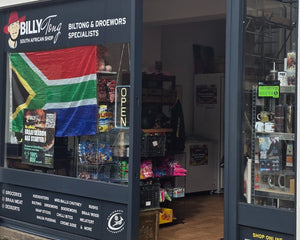
Want to see the process in person? Visit our shop in Cobham, Surrey — where you can see biltong being made, chat with the team, and pick your favourite cut fresh from the drying room.