

Biltong for Pregnancy: Is It Safe?
What Expectant Mothers Should Know
A balanced, accurate guide to biltong during pregnancy, covering food safety, nutrition, and what to look for on the label.
Shop Billy Tong Biltong →This article is for general informational purposes only and does not constitute medical or dietary advice. Every pregnancy is different. If you have any questions about what is safe to eat during your pregnancy, please speak to your midwife, GP, or registered dietitian before making any changes to your diet.
Pregnancy comes with a long list of foods to be careful about. Raw fish, unpasteurised cheese, undercooked eggs, cured meats. If you are a biltong lover, you may well have paused and wondered where air-dried beef sits in that picture.
It is a question that comes up regularly among South African expats in the UK and among health-conscious women who have discovered biltong as a protein snack before pregnancy. The internet does not give a particularly clear answer. This guide aims to change that.
We cover what the current UK food safety guidance says, why biltong is nutritionally well-suited to pregnancy, what to look for on the label, and when to simply check with your midwife.
Traditional beef biltong, made with quality beef and a short ingredient list, is generally considered safe to eat during pregnancy in moderate portions. It is a cured and dried product, not raw meat, and is nutritionally rich in several nutrients that matter during pregnancy. That said, always check with your midwife or GP if you have any specific concerns. This guide provides general information only.
What the UK Food Safety Guidance Says
The NHS guidance on foods to avoid during pregnancy focuses primarily on raw or undercooked meat, certain types of fish, unpasteurised dairy, and some soft cheeses. The concern with raw and undercooked meat centres on the risk of toxoplasmosis and other bacterial contamination from meat that has not been sufficiently processed or cooked.
Biltong is not raw meat. It is beef that has been cured in vinegar and salt, then air-dried, typically over 4 to 7 days. This process significantly reduces the moisture content of the meat, inhibiting bacterial growth. The vinegar cure and the salting process both play a role in food safety, as does the extended drying period.
Cured and dried meat products as a category are distinct from raw meat in terms of food safety. The NHS guidance on cured meats during pregnancy relates primarily to products like salami, pepperoni, and chorizo where the concern is listeria and toxoplasma. The current NHS advice on these is to freeze them for 4 days before eating, or to cook them thoroughly, rather than to avoid them entirely.
Biltong, as an air-dried product with a very low moisture content, is in a somewhat different category. However, if you want complete peace of mind, freezing a portion for 4 days before eating is a simple precaution that requires no change to the product at all.
- Biltong is a cured and air-dried product, not raw meat.
- The curing and drying process significantly reduces moisture and inhibits bacterial growth.
- If you want additional reassurance, freeze your biltong for 4 days before eating during pregnancy. This is the approach the NHS recommends for other cured meat products.
- Choose biltong from a reputable producer with clear ingredient labelling and proper food hygiene practices.
- Check the label for any allergens or additives relevant to your pregnancy.
- If in doubt, speak to your midwife or GP. They are the right person to advise you on your individual circumstances.
Why Biltong Is Nutritionally Well-Suited to Pregnancy
Setting food safety aside for a moment, the nutritional profile of traditional biltong makes it genuinely well-suited to the increased demands of pregnancy. Expectant mothers have higher requirements for several specific nutrients, and biltong is an unusually rich source of several of them.
Protein: The Pregnancy Macro
Protein requirements increase significantly during pregnancy, particularly in the second and third trimesters when foetal growth is most rapid. The UK Reference Nutrient Intake for protein during pregnancy is approximately 51g per day, compared to 45g for non-pregnant women. Many nutritionists and midwives suggest that active women or those carrying multiples may benefit from considerably more.
Biltong provides approximately 45 to 55g of complete protein per 100g, including all nine essential amino acids. It is one of the most protein-dense whole foods available, and the protein it contains is highly bioavailable, meaning the body can absorb and use it efficiently. For a pregnant woman trying to hit elevated protein targets from real food rather than supplements, biltong is one of the most efficient tools available.
Iron: A Particular Priority in Pregnancy
Iron-deficiency anaemia is one of the most common nutritional problems in pregnancy. Blood volume increases by around 50% during pregnancy, and the growing baby draws significantly on the mother's iron stores. The NHS recommends that pregnant women eat iron-rich foods regularly and recommends red meat as one of the best dietary sources of haem iron, the form most readily absorbed by the body.
Biltong, as a concentrated beef product, is a particularly good source of haem iron. Because the meat has been dried rather than cooked, the iron is preserved without the oxidation that can occur during high-heat cooking. A 40g portion of biltong provides a meaningful contribution to the daily iron intake of a pregnant woman.
The Convenience Factor
Pregnancy frequently brings nausea, food aversions, and a general difficulty eating regular meals, particularly in the first trimester. Small, frequent, protein-rich snacks are often recommended as a practical way to maintain nutrition when larger meals are unappealing. Biltong requires no preparation, no refrigeration, and no cooking. A small portion can be eaten at a desk, in the car, or at any point during the day without any effort at all.
For South African women living in the UK, there is also the cultural familiarity element. Biltong is a food many grew up with, and its absence during pregnancy can feel unnecessarily restrictive when the evidence does not support a blanket ban.
What to Look For on the Biltong Label
Not all biltong is made equally. Commercial biltong sold in supermarkets often contains ingredients well beyond the traditional five. If you are eating biltong during pregnancy, it is worth spending a moment on the label.
Scroll to the left to see all notes:
| Ingredient / Feature | What to Look For | Notes |
|---|---|---|
| Beef | ✅ Listed first, ideally the only meat | Quality beef from a named cut is ideal |
| Vinegar | ✅ Fine to consume | Used in the cure. Almost entirely evaporates during drying |
| Salt | ⚠️ Present in all biltong. Moderate portions advised | Sodium content is 1,200 to 1,800mg per 100g. Keep to 30 to 40g portions |
| Pepper and coriander | ✅ Traditional spices, fine in normal quantities | Used as flavouring at small quantities. No concern at portion sizes |
| Added sugar | ⚠️ Check the label | Some commercial biltong adds sugar. |
| Soy sauce / Worcestershire sauce | ⚠️ Check the label | Some producers add these. Worcestershire sauce contains anchovies (allergen) |
| Artificial preservatives | ⚠️ Avoid where possible | Traditional biltong does not need preservatives. Their presence suggests lower quality |
| Allergen labelling | ✅ Always check | Celery, mustard, and soy are common allergens in some biltong blends |
The Sodium Consideration
The one area where pregnant women should exercise some mindfulness with biltong is sodium. The salt cure is a fundamental part of the biltong process, and the final product contains around 1,200 to 1,800mg of sodium per 100g. This is a significant amount, though it is inherent to what biltong is.
The NHS recommends that adults, including pregnant women, consume no more than 6g of salt per day, which is approximately 2,400mg of sodium. A 40g portion of biltong contains roughly 480 to 720mg of sodium, which represents around 20 to 30% of the recommended daily maximum. Eaten as an occasional snack within a balanced diet, this is entirely manageable.
Women with pregnancy-related hypertension or pre-eclampsia are typically advised to be particularly mindful of sodium intake. If either condition applies to your pregnancy, speak to your healthcare provider about appropriate dietary sodium levels before making biltong a regular snack.
A 40g portion of biltong contains less sodium than a bowl of cornflakes, a supermarket sandwich, or a portion of salted peanuts. In the context of a typical UK diet, a moderate biltong portion is not an outlier for sodium content. The key, as with most foods during pregnancy, is moderation rather than elimination.
Practical Tips for Eating Biltong During Pregnancy
- Buy from a reputable producer. Food hygiene standards and ingredient quality vary between producers. Billy Tong biltong is produced in a regulated environment with full ingredient transparency.
- Keep portions moderate. A 30 to 40g portion as a snack, one or two times per day, is a sensible approach. This delivers meaningful protein and iron without excessive sodium.
- Freeze first if you prefer additional reassurance. Freezing biltong for 4 days before eating is a simple step that requires no preparation and leaves the texture and flavour unchanged. This is the approach the NHS recommends for other cured meat products during pregnancy.
- Check the label every time. Recipes change. If you switch brands or buy from a new source, read the full ingredients list again.
- Pair it with vitamin C-rich foods. Iron from red meat is well absorbed, but pairing it with a vitamin C source (a glass of orange juice, some berries, a kiwi) further enhances iron absorption. A useful habit during pregnancy regardless of what you are eating.
- Use it as a snack, not a meal replacement. Biltong is a high-protein snack that fits well into a varied diet. It should complement good dietary diversity rather than replace it.
Billy Tong Biltong:
Made with the traditional South African recipe in mind, and with many varied flavours and finishes, we deliver across the UK mainland.
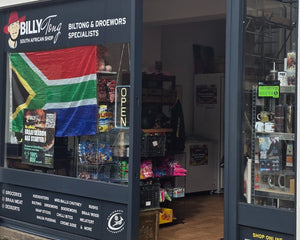
Shop Biltong → Visit Our Cobham Shop →Frequently Asked Questions
Can you eat biltong when pregnant?
Traditional beef biltong is generally considered safe to eat during pregnancy in moderate portions. It is a cured and air-dried product, not raw meat, and its processing significantly reduces moisture and inhibits bacterial growth. That said, pregnancy food safety is an individual matter. If you have any concerns, check with your midwife or GP before eating biltong during pregnancy. This article is for general information only and does not constitute medical advice.
Is biltong classified as raw meat?
No. Biltong is not raw meat. It is beef that has been cured in vinegar and salt, then air-dried for an extended period, typically 4 to 7 days. This curing and drying process significantly reduces moisture content and inhibits bacterial growth. It is more comparable to other cured and dried meat products than to raw or undercooked meat.
What are the nutritional benefits of biltong during pregnancy?
Biltong is a rich source of several nutrients that are particularly important during pregnancy. It provides approximately 45 to 55g of complete protein per 100g, supporting foetal tissue growth and the mother's increased protein requirements. It is also rich in haem iron, which helps prevent pregnancy anaemia, and contains zinc for foetal development and B12 for neurological development.
How much biltong is safe to eat during pregnancy?
A moderate portion of 30 to 40g as an occasional snack is a sensible approach during pregnancy. The main consideration is sodium: biltong contains around 1,200 to 1,800mg of sodium per 100g. A 40g portion contributes roughly 480 to 720mg of sodium, which is manageable within a balanced daily diet. Women with pregnancy-related hypertension or pre-eclampsia should discuss dietary sodium with their healthcare provider.
What should I look for on the biltong label if I am pregnant?
Look for biltong made from beef with a short, recognisable ingredient list: ideally beef, vinegar, salt, pepper, and coriander only. If possible, avoid biltong containing added sugar, Worcestershire sauce (which contains anchovies), soy sauce, or artificial preservatives. Always check the allergen labelling.
Is the high sodium content in biltong a concern during pregnancy?
Biltong is relatively high in sodium as a result of the curing process, at around 1,200 to 1,800mg per 100g. In moderate portions of 30 to 40g, the sodium contribution is comparable to many everyday foods and is manageable within a balanced diet. Women with pregnancy-related hypertension or pre-eclampsia should discuss their specific sodium needs with their healthcare provider before eating biltong regularly.
Should I check with my midwife before eating biltong during pregnancy?
If you have any doubts or specific health considerations during your pregnancy, yes. Always check with your midwife or GP first. This guide is intended as general information only and does not constitute medical or dietary advice. Every pregnancy is different, and your midwife or healthcare provider is the right person to advise you on your individual dietary needs.